

Alcohol: Take back control and feel better fast
Whether you’re looking to drink less or stop altogether, small changes can lead to big improvements in your health, mood, sleep, and relationships. Here’s how to get started – and stick with it.
Alcohol is deeply woven into our daily lives but drinking too much – even occasionally – can affect your energy, mental health, and long-term wellbeing. Cutting down or quitting can help you:
- Sleep better and wake up refreshed
- Improve your mood and reduce anxiety
- Save money and boost productivity
- Strengthen relationships and self-esteem
Thinking about quitting completely – for Dry January or longer?
If alcohol no longer fits your lifestyle or goals, quitting might be the best choice. Here’s how to make it easier:
Know your why: Write down your reasons for quitting ie health, relationships, clarity – and revisit them often.
Build a support network: Join online communities, attend local support groups, or talk to a counsellor.
Celebrate milestones: Mark your first week, month, or social event without alcohol. Reward yourself with something meaningful.
Expect challenges: Cravings, social pressure, and emotional triggers are normal. Plan for them and have strategies ready.
You’re not alone
Thousands of people are rethinking their relationship with alcohol. Whether you’re cutting back or quitting, you’re making a powerful choice for your wellbeing. Every alcohol-free day is a win, and every step forward counts.
Tips to help you cut down or stop completely
01. Set clear goals
Decide how many days a week you want to drink and how many units you’ll allow. Use apps or journals to track your progress.
02. Plan ahead
Before going out, set a drink limit and stick to it. Choose venues that also offer alcohol-free options or suggest activities that don’t revolve around drinking.
03. Switch it up
Opt for lower-strength drinks or smaller servings. Try alcohol-free beers, mocktails, or sparkling water with lime – they’re refreshing and satisfying.
04. Have alcohol-free days
Commit to at least 2–3 alcohol-free days per week. Your body and brain will thank you.
05. Tell Someone
Let friends or family know you’re cutting back. Their support can help you stay accountable and avoid pressure to drink.
For more information and resources, check out the alcohol and mental health section of Lena’s Support Hub.
More from our blog
Menopause and work
The menopause is a natural biological process. It occurs when your ovaries age and naturally produce lower levels of reproductive hormones. The menopause may have a significant impact on home life and work performance. This can be unsettling, particularly if a particular role carries lots of responsibility. The hormonal changes…
Understanding Stepped Care and its role in workplace wellbeing
The stepped care model is a fundamental part of Inspire's workplace offering. So, what is it and why is it so important?
Pancake Tuesday
This year, Random Acts of Kindness Day and Pancake Tuesday fall on the same date (17th Feb) - a perfect opportunity to combine both! Kindness doesn’t need to be grand - in this instance it can be as easy as bringing a plate of pancakes to the office kitchen.

Random Acts of Kindness Day
The power of kindness Random Acts of Kindness Day takes place on 17th February and highlights that kindness is more than just a nice gesture - it’s a force that strengthens relationships, boosts wellbeing, and sparks positivity. Studies show that being kind releases feel-good hormones (like oxytocin and serotonin), reduces…

Time to talk day
Every year, Time to Talk Day reminds us of something simple yet powerful: conversations can change lives. Talking about mental health isn’t always easy, but it’s one of the most important steps we can take toward creating a supportive and connected workplace.

Stress Awareness Week
International Stress Awareness Week (3-7 Nov) and Stress Awareness Day (which is held on Wednesday 5 November at the centre of the week) aims to raise the profile of stress awareness and stress prevention, and promote the importance of wellbeing for individuals and organisations. ‘Stress can be defined as a…
World Mental Health Day
10th October is World Mental Health Day, a global moment to pause, reflect, and talk openly about something that affects every single one of us: our mental wellbeing.

Changing the narrative
World Suicide Prevention Day (WSPD) takes place on Wednesday 10th September. It’s a day where we can all unite to raise awareness, reduce stigma, and take meaningful action. The International Association for Suicide Prevention (IASP), alongside the World Health Organisation (WHO), has designated the 2024-2026 theme as ‘Changing the Narrative…
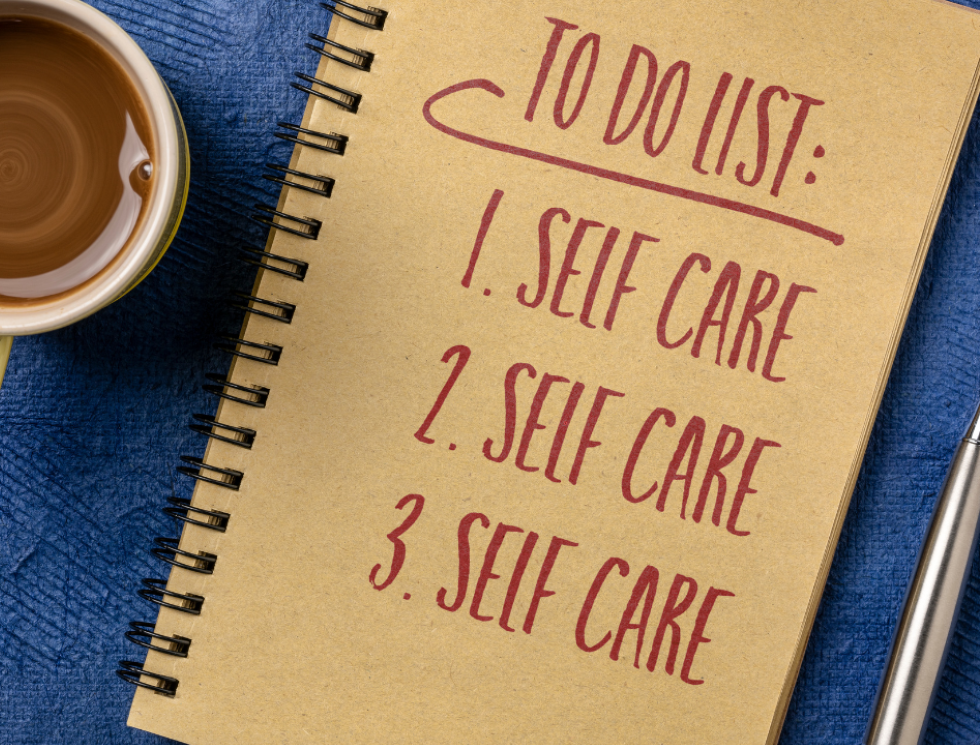
Self-care is prevention
In a world that often demands our constant attention and energy, Self-Care Day takes place on 24th July and is a powerful reminder that caring for yourself isn\'t a luxury – it’s essential. And summer, with its longer days and brighter skies, offers the perfect opportunity to recalibrate and reconnect…

Sip smart this summer
Alcohol awareness week takes place from 7th to 13th July 2025. Summer is made for socialising – BBQs, garden parties, weddings, and long, sunny evenings spent with friends or family. For many of us, these moments may include a drink or two. And while there’s nothing wrong with raising a…

Winter wellbeing 2024
The festive season is here and we’re keen to highlight some wellbeing tips for now and the New Year. Head into 2025 in the best possible frame of mind. Switch off Technology allows us to be constantly connected to colleagues, family and friends. That is often a good thing but…
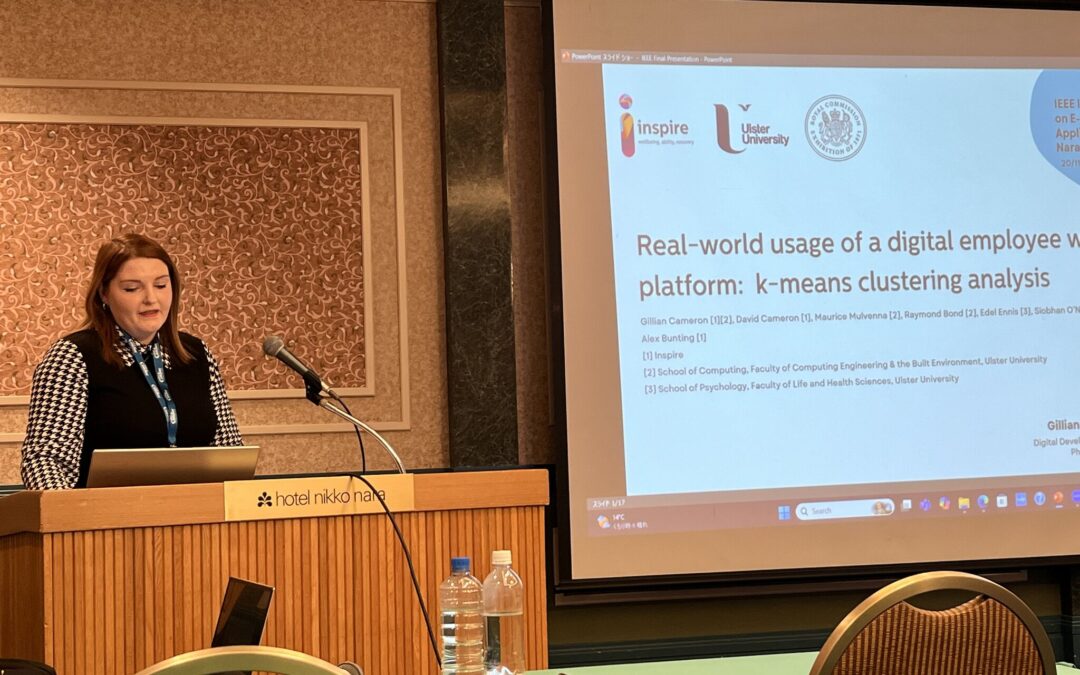
Reflections on IEEE eHealthCom 2024: Insights, Innovation, and Inspiration in Nara, Japan
Inspire’s Digital Development Lead, Gillian Cameron, reflects on her recent trip to Nara, Japan for the IEEE eHealthCom conference. Last week, I had the privilege of attending and presenting at the IEEE eHealthCom 2024 conference in Nara, Japan. This annual event brings together researchers, industry leaders, and policymakers to discuss…