
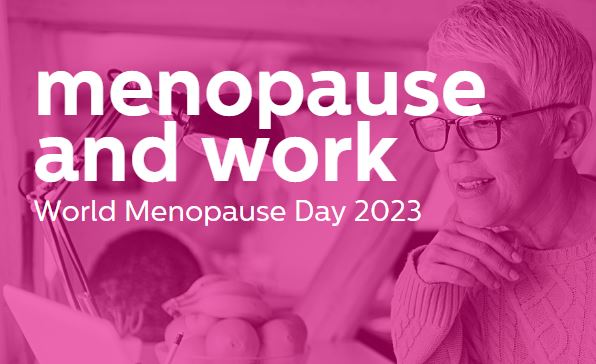
The menopause is a natural biological process. It occurs when your ovaries age and naturally produce lower levels of reproductive hormones.
The menopause may have a significant impact on home life and work performance. This can be unsettling, particularly if a particular role carries lots of responsibility.
The hormonal changes in the body can also seriously impact mental and emotional health. Symptoms include:
- Mood swings
- Low mood or depression
- Stress and anxiety
Changes to one’s emotional and mental health can be the first sign of perimenopause.
Self-help measures, such as getting enough sleep, eating well, taking regular exercise and practising yoga or meditation, may help. A GP can also provide advice and assistance. This may involve talking therapies, medication or both.
In recent years, employers have become much better at recognising menopause as an important workplace issue.
‘Employers need to break the stigma and taboo surrounding the menopause at work and create an inclusive working environment where employees and managers feel confident to discuss any practical adjustments that may be needed.’ – Chartered Institute of Professional Development
If you are living with menopausal symptoms, notify your line manager or employer. Let them know what you are going through and how it’s making you feel. If your line manager isn’t understanding, speak to another manager or even the human resources department. Talk to your colleagues, too. Many of them may well know how you feel or have experience of supporting others.
Take steps to manage your symptoms, whether through lifestyle changes or medical treatment. A healthy lifestyle helps to manage the symptoms of menopause. This means:
- Getting enough sleep
- Eating well and exercising
- Avoiding too much alcohol or other substances
You can also:
- Be open with your partner about how the menopause curbs your sex drive
- Use lubricants to help with vaginal dryness
- Try meditation to reduce stress hormones and increase production of happy hormones, like serotonin and dopamine
- Maintain your social connections by seeing friends and family on a regular basis
- Seek support if you feel low and need to talk to someone
However you feel about the menopause, you may find physical events, such as mood changes and hot flushes, hard to manage. Don’t be afraid to talk about it and ask for help. Speak to your GP if the menopause is affecting your life. Help is available.
More from our blog
Understanding Stepped Care and its role in workplace wellbeing
The stepped care model is a fundamental part of Inspire's workplace offering. So, what is it and why is it so important?

Pancake Tuesday
This year, Random Acts of Kindness Day and Pancake Tuesday fall on the same date (17th Feb) - a perfect opportunity to combine both! Kindness doesn’t need to be grand - in this instance it can be as easy as bringing a plate of pancakes to the office kitchen.
Random Acts of Kindness Day
The power of kindness Random Acts of Kindness Day takes place on 17th February and highlights that kindness is more than just a nice gesture - it’s a force that strengthens relationships, boosts wellbeing, and sparks positivity. Studies show that being kind releases feel-good hormones (like oxytocin and serotonin), reduces…
Time to talk day
Every year, Time to Talk Day reminds us of something simple yet powerful: conversations can change lives. Talking about mental health isn’t always easy, but it’s one of the most important steps we can take toward creating a supportive and connected workplace.
Dry/Drink Less January
Alcohol: Take back control and feel better fast Whether you\'re looking to drink less or stop altogether, small changes can lead to big improvements in your health, mood, sleep, and relationships. Here\'s how to get started – and stick with it. Alcohol is deeply woven into our daily lives but…

Stress Awareness Week
International Stress Awareness Week (3-7 Nov) and Stress Awareness Day (which is held on Wednesday 5 November at the centre of the week) aims to raise the profile of stress awareness and stress prevention, and promote the importance of wellbeing for individuals and organisations. ‘Stress can be defined as a…
World Mental Health Day
10th October is World Mental Health Day, a global moment to pause, reflect, and talk openly about something that affects every single one of us: our mental wellbeing.

Changing the narrative
World Suicide Prevention Day (WSPD) takes place on Wednesday 10th September. It’s a day where we can all unite to raise awareness, reduce stigma, and take meaningful action. The International Association for Suicide Prevention (IASP), alongside the World Health Organisation (WHO), has designated the 2024-2026 theme as ‘Changing the Narrative…
Self-care is prevention
In a world that often demands our constant attention and energy, Self-Care Day takes place on 24th July and is a powerful reminder that caring for yourself isn\'t a luxury – it’s essential. And summer, with its longer days and brighter skies, offers the perfect opportunity to recalibrate and reconnect…

Sip smart this summer
Alcohol awareness week takes place from 7th to 13th July 2025. Summer is made for socialising – BBQs, garden parties, weddings, and long, sunny evenings spent with friends or family. For many of us, these moments may include a drink or two. And while there’s nothing wrong with raising a…

Winter wellbeing 2024
The festive season is here and we’re keen to highlight some wellbeing tips for now and the New Year. Head into 2025 in the best possible frame of mind. Switch off Technology allows us to be constantly connected to colleagues, family and friends. That is often a good thing but…