

A new survey from Carers NI has revealed the extent to which unpaid carers are experiencing significant levels of mental ill health.
The State of Caring 2023 report points out that unpaid caring is a ‘major driver’ of mental illness, with a quarter of respondents describing their mental health as bad or very bad. These levels were even worse among people undertaking long-term and intense caring roles.
As far as respondents’ symptoms are concerned, the study identifies significant rates of anxiety and stress (84%), low mood (84%), irritability and mood swings (80%), the inability to switch off from worrying about caring (80%), hopelessness (72%) and depression (49%).
‘The pressure facing carers,’ it says, ‘is leaving some considering extreme courses of action, with 24% of carers saying they have had thoughts related to suicide or self-harm. One carer indicated this was a regular feature of their life, stating that “suicidal thoughts are never too far away.”’
When someone experiences any of the symptoms listed above, the natural response is to find ways of addressing such challenges. However, according to the research, carers face major obstacles in prioritising their own wellbeing. Just over three quarters said that they had continued to provide care, even as they felt like they had reached a breaking point. The main barrier to seeking help, for 53% of those polled, was the job itself, namely caring for another person.
The survey also underlined the overlap between loneliness and poor mental health outcomes, as well as the routinely divergent experiences of individuals who do and do not feel isolated: ‘Carers who said they feel lonely always, often or sometimes were over three times more likely to describe their mental health as bad or very bad than those who never or hardly ever feel lonely. They… reported much higher levels of depression, stress, anxiety, and more.’
Worryingly, an overwhelming majority (70%) of carers either haven’t received any mental health support or are relying on informal networks. Indeed, nearly one in five had never asked for assistance because they were unaware of what was out there or where to find it.
Given that mental health provision across Ireland relies on thousands of unpaid – and often unseen – carers, Inspire continues to campaign on their behalf. We have long called for appropriate recognition for carers, many of whom who look after loved ones living with mental illness and intellectual disabilities, along with new rights that protect and promote their interests.
For anyone concerned about the subjects highlighted above, the Inspire Support Hub is a great resource. If offers the right support at the right time and features brilliant information around stress, depression, loneliness and isolation, and anxiety, as well as guidance on building resilient workforces. In addition, people can self-refer through the Hub, over the phone or by email.
If you would like to find out more about the Inspire Support Hub, as well as the other services offered by Inspire, please feel free to contact enquiries@inspirewellbeing.org
More from our blog
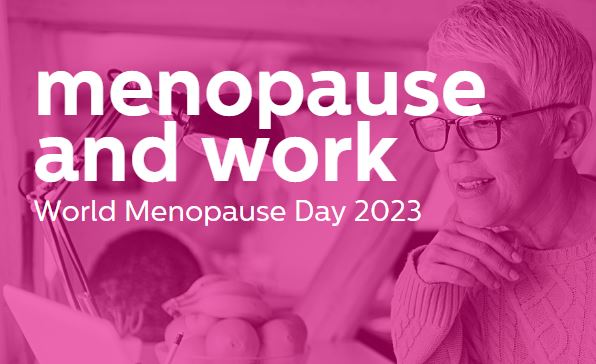
Menopause and work
The menopause is a natural biological process. It occurs when your ovaries age and naturally produce lower levels of reproductive hormones. The menopause may have a significant impact on home life and work performance. This can be unsettling, particularly if a particular role carries lots of responsibility. The hormonal changes…
Understanding Stepped Care and its role in workplace wellbeing
The stepped care model is a fundamental part of Inspire's workplace offering. So, what is it and why is it so important?

National Work Life Week
Finding Balance in a Busy World National Work Life Week takes place from 5-9 October 2026 and encourages people to reflect on how they can achieve a healthier, more sustainable balance between work and personal life. Every year, National Work Life Week encourages individuals and organisations to reflect on how…
World Mental Health Day
This month is an opportunity to notice how we support one another, challenge assumptions and create more inclusive spaces. By listening with empathy and staying open to different perspectives, we can all contribute to a kinder and more understanding workplace. World Mental Health Day, observed annually on 10 October, encourages…
World Gratitude Day
The power of appreciating what matters World Gratitude Day, celebrated annually on 21 September, encourages us to pause and recognise the people, experiences and opportunities that positively impact our lives. In today\'s fast-paced world, it\'s easy to focus on deadlines, demands and what\'s still left to do. Gratitude invites us…
World Suicide Prevention Day
World Suicide Prevention Day encourages people around the globe to raise awareness, reduce stigma and promote actions that can save lives. Suicide remains a significant public health challenge across the UK and Ireland. According to the latest available data, 5,717 suicides were registered in England in 2024, while Northern Ireland…
National Wellness & Happiness Happens Month
July invited us to pause. Through Alcohol Awareness Week and a focus on self-care, many of us took the opportunity to reflect, reset and make small changes – whether that meant becoming more aware of our habits, building in better routines, or simply taking a bit more time to look…
International Self-Care Day
In a world where busy often feels like the default, self-care can sometimes be misunderstood as a luxury – something we get to if we have the time. In reality, self-care is much simpler, more accessible, and far more essential than that. At its core, self-care is about consistently doing…

Alcohol and Me
Alcohol Awareness Week (6-12 July), returns this month with a simple but powerful focus: ‘Alcohol and me.’ Rather than telling us what we should or shouldn’t be doing, this year’s campaign is asking everyone to pause and reflect on their own relationship with alcohol, and how it fits into their…
PTSD Awareness Day
Trauma isn’t always dramatic or visible. In reality, it can come from things many of us experience at some point in life - not just rare or extreme events. It could be a car accident, losing someone suddenly, going through a serious illness, experiencing ongoing stress, or difficult experiences growing…

Men’s Mental Health Week
Every June, Men’s Health Week (15th to 21st) highlights a simple but powerful message: men’s health needs more attention - physically and mentally. While progress has been made, the reality across Ireland, the UK, and globally, is that men still experience poorer health outcomes and are less likely to seek…
World Day for Cultural Diversity
World Day for Cultural Diversity on 21 May celebrates the different cultures, identities, experiences and perspectives that shape who we are – and how diversity enriches our workplaces, communities and conversations.