
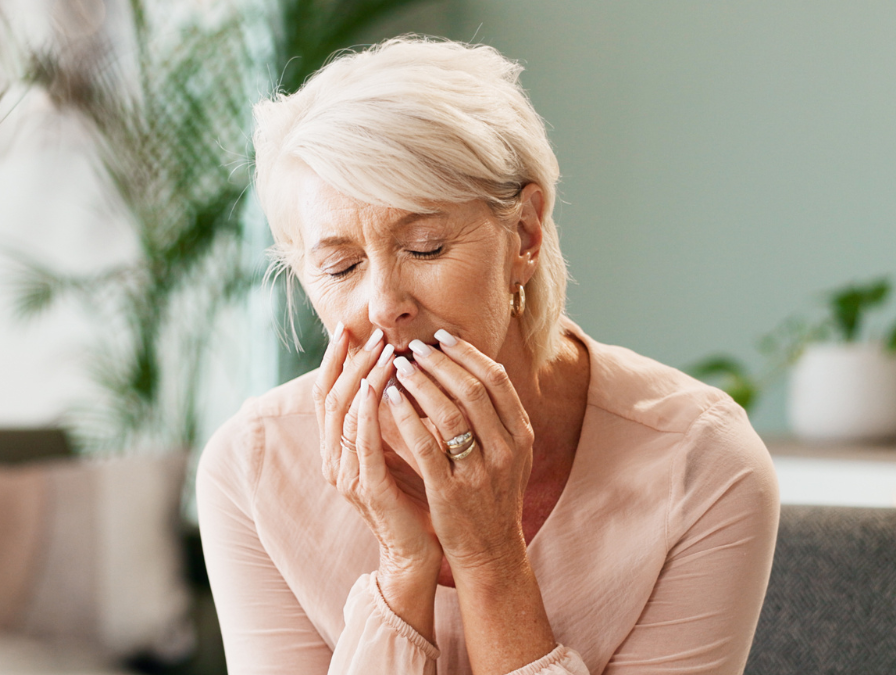
Trauma isn’t always dramatic or visible.
In reality, it can come from things many of us experience at some point in life – not just rare or extreme events. It could be a car accident, losing someone suddenly, going through a serious illness, experiencing ongoing stress, or difficult experiences growing up. These moments can affect people in different ways.
And not everyone who goes through something traumatic will develop Post‑Traumatic Stress Disorder (PTSD).
Whether it does can depend on things like:
- What happened and how intense it felt
- Whether it was a one-off event or something that happened over time
- The support someone had afterwards
- How someone copes and makes sense of the experience
Most people will experience at least one traumatic event in their lifetime, which is why understanding and supporting mental health matters for everyone.
What PTSD can look like
PTSD is not just ‘reliving a bad memory.’ It can include:
- Flashbacks or nightmares
- Avoiding reminders of trauma
- Feeling constantly ‘on edge’ or hyper-alert
- Trouble sleeping or concentrating
- Emotional numbness or detachment
These symptoms can affect work, relationships, and physical health if left unaddressed.
Trauma is more common than we think – but recovery is possible with the right support.
*82.3% of Irish adults have experienced at least one traumatic event.
*In Northern Ireland, PTSD rates have historically been higher than global averages, partly due to the legacy of conflict.
*Approximately 1 in 10 people in the UK will experience PTSD at some point in their life.
*Globally, while 70% of people experience trauma, only about 5.6% develop PTSD, showing resilience – but also the importance of support.
How to support yourself and others
01. Normalise the conversation
Talking about mental health reduces stigma. A simple ‘How are you really doing?’ or ‘Hey, I’m not feeling the best, can we talk?’ can make a difference.
02. Recognise triggers
Stressful environments, anniversaries, or specific situations may trigger symptoms – being aware, and having a plan, helps manage them.
03. Use grounding techniques
Simple exercises can help bring focus back to the present:
Name 5 things you can see, 4 you can feel, 3 you can hear, and/or
Slow breathing (in for 4, out for 6).
04. Seek professional support early
Evidence-based therapies are highly effective – early support improves recovery outcomes.
05. Build everyday resilience
Stay connected with others.
Maintain routines.
Prioritise sleep and exercise.
Why not explore the Hub and check out our newly added videos on mindfulness practice and techniques.
More from our blog
Menopause and work
The menopause is a natural biological process. It occurs when your ovaries age and naturally produce lower levels of reproductive hormones. The menopause may have a significant impact on home life and work performance. This can be unsettling, particularly if a particular role carries lots of responsibility. The hormonal changes…
Understanding Stepped Care and its role in workplace wellbeing
The stepped care model is a fundamental part of Inspire's workplace offering. So, what is it and why is it so important?

National Work Life Week
Finding Balance in a Busy World National Work Life Week takes place from 5-9 October 2026 and encourages people to reflect on how they can achieve a healthier, more sustainable balance between work and personal life. Every year, National Work Life Week encourages individuals and organisations to reflect on how…
World Mental Health Day
This month is an opportunity to notice how we support one another, challenge assumptions and create more inclusive spaces. By listening with empathy and staying open to different perspectives, we can all contribute to a kinder and more understanding workplace. World Mental Health Day, observed annually on 10 October, encourages…
World Gratitude Day
The power of appreciating what matters World Gratitude Day, celebrated annually on 21 September, encourages us to pause and recognise the people, experiences and opportunities that positively impact our lives. In today\'s fast-paced world, it\'s easy to focus on deadlines, demands and what\'s still left to do. Gratitude invites us…
World Suicide Prevention Day
World Suicide Prevention Day encourages people around the globe to raise awareness, reduce stigma and promote actions that can save lives. Suicide remains a significant public health challenge across the UK and Ireland. According to the latest available data, 5,717 suicides were registered in England in 2024, while Northern Ireland…
National Wellness & Happiness Happens Month
July invited us to pause. Through Alcohol Awareness Week and a focus on self-care, many of us took the opportunity to reflect, reset and make small changes – whether that meant becoming more aware of our habits, building in better routines, or simply taking a bit more time to look…
International Self-Care Day
In a world where busy often feels like the default, self-care can sometimes be misunderstood as a luxury – something we get to if we have the time. In reality, self-care is much simpler, more accessible, and far more essential than that. At its core, self-care is about consistently doing…

Alcohol and Me
Alcohol Awareness Week (6-12 July), returns this month with a simple but powerful focus: ‘Alcohol and me.’ Rather than telling us what we should or shouldn’t be doing, this year’s campaign is asking everyone to pause and reflect on their own relationship with alcohol, and how it fits into their…

Men’s Mental Health Week
Every June, Men’s Health Week (15th to 21st) highlights a simple but powerful message: men’s health needs more attention - physically and mentally. While progress has been made, the reality across Ireland, the UK, and globally, is that men still experience poorer health outcomes and are less likely to seek…
World Day for Cultural Diversity
World Day for Cultural Diversity on 21 May celebrates the different cultures, identities, experiences and perspectives that shape who we are – and how diversity enriches our workplaces, communities and conversations.
Mental Health Awareness Week
Mental Health Awareness Week (MHAW) takes place from 11-17 May and creates space for honest reflection, learning, and connection, helping to reduce stigma and remind us that support is always available.