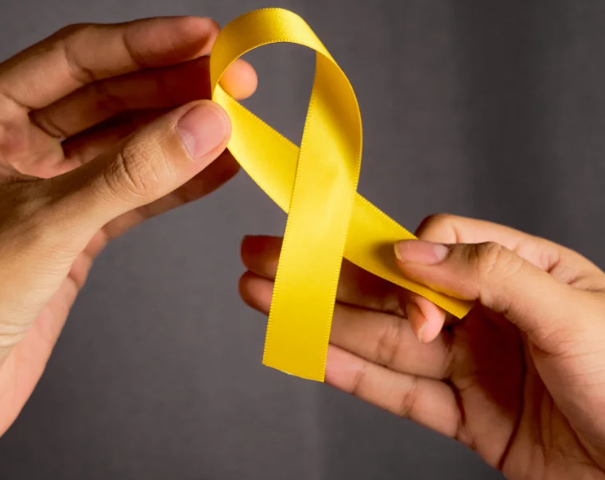
World Suicide Prevention Day encourages people around the globe to raise awareness, reduce stigma and promote actions that can save lives.
Suicide remains a significant public health challenge across the UK and Ireland. According to the latest available data, 5,717 suicides were registered in England in 2024, while Northern Ireland recorded 221 registered suicide deaths in 2023. In Ireland, preliminary figures recorded 302 deaths by suicide in 2023, although this figure may be revised as coroner investigations are completed.
In Northern Ireland, almost 78% of those who died were male, and the NI suicide rate (13.3 per 100,000 population) remains higher than rates in Ireland (9.2 per 100,000 population) and England and Wales.
Every suicide is a tragedy, with a profound impact on families, friends, co leagues and communities, reinforcing the importance of awareness, early support and open conversations about mental health. While statistics help us understand the scale of the issue, they never tell the whole story. Behind every number is a person, a family, friends, colleagues and a community affected by loss.
World Suicide Prevention Day reminds us that:
- Talking openly about suicide does not increase risk
- Asking someone directly whether they are struggling can help open a vital conversation
- Early intervention saves lives
- No one should feel they have to face difficult thoughts alone
- Support is available, even in moments that feel hopeless
What can we all do?
You do not need to be a mental health professional to make a positive difference.
Be present
Take time to check in with colleagues, friends and family
Notice changes in behaviour, mood or engagement
Listen without judgement
Allow people space to talk
Avoid trying to ‘fix’ everything immediately
Encourage support
Help someone connect with professional services, a GP, counseling or support organisations
Look after yourself
Supporting others can be emotionally demanding
Ensure you access support when needed too
Suicide Support Services
Samaritans (UK, NI and Ire)
Freephone: 116 123 (24/7)
Lifeline (Northern Ireland)
0808 808 8000
Pieta (Ireland)
1800 247 247 or text HELP to 51444
If someone is at immediate risk of harm, call 999/112 or attend the nearest Emergency Department.
More from our blog
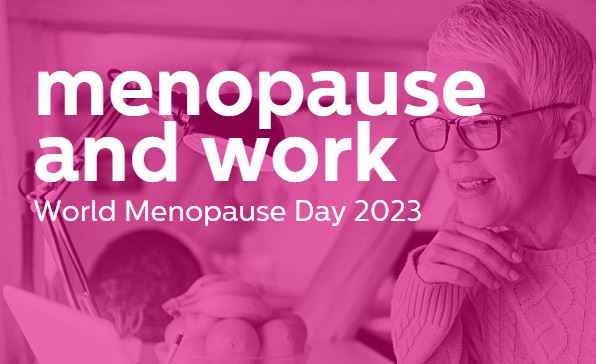
Menopause and work
The menopause is a natural biological process. It occurs when your ovaries age and naturally produce lower levels of reproductive hormones. The menopause may have a significant impact on home life and work performance. This can be unsettling, particularly if a particular role carries lots of responsibility. The hormonal changes…
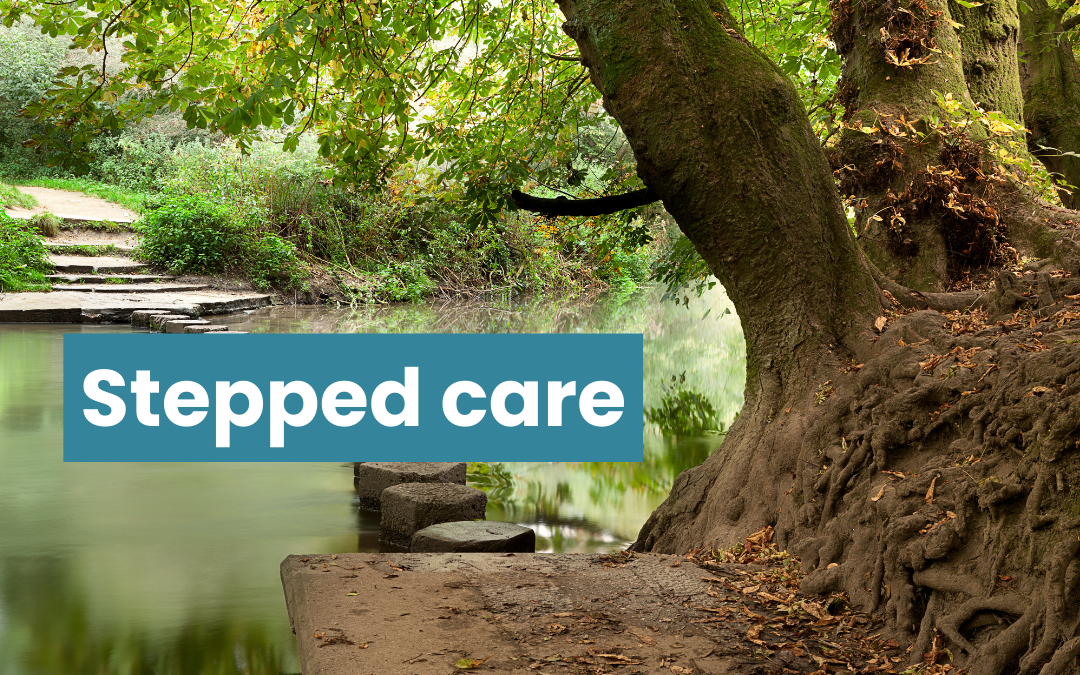
Understanding Stepped Care and its role in workplace wellbeing
The stepped care model is a fundamental part of Inspire's workplace offering. So, what is it and why is it so important?

International Men’s Day
International Men’s Day takes place on 19th November and provides an opportunity to consider the health and wellbeing of men in our families, workplaces and communities. Wellbeing is about much more than physical health. It can include how we manage stress, connect with others, look after our bodies, make time…
World Kindness Day
Small Actions, Meaningful Difference World Kindness Day is marked annually on 13th November and encourages us to recognise the positive impact that kindness can have in our everyday lives. Kindness doesn’t need to involve grand gestures. Often, it’s the small things that matter: checking in, listening properly, offering help, acknowledging…
National Work Life Week
Finding Balance in a Busy World National Work Life Week takes place from 5-9 October 2026 and encourages people to reflect on how they can achieve a healthier, more sustainable balance between work and personal life. Every year, National Work Life Week encourages individuals and organisations to reflect on how…
World Mental Health Day
This month is an opportunity to notice how we support one another, challenge assumptions and create more inclusive spaces. By listening with empathy and staying open to different perspectives, we can all contribute to a kinder and more understanding workplace. World Mental Health Day, observed annually on 10 October, encourages…
World Gratitude Day
The power of appreciating what matters World Gratitude Day, celebrated annually on 21 September, encourages us to pause and recognise the people, experiences and opportunities that positively impact our lives. In today\'s fast-paced world, it\'s easy to focus on deadlines, demands and what\'s still left to do. Gratitude invites us…
National Wellness & Happiness Happens Month
July invited us to pause. Through Alcohol Awareness Week and a focus on self-care, many of us took the opportunity to reflect, reset and make small changes – whether that meant becoming more aware of our habits, building in better routines, or simply taking a bit more time to look…
International Self-Care Day
In a world where busy often feels like the default, self-care can sometimes be misunderstood as a luxury – something we get to if we have the time. In reality, self-care is much simpler, more accessible, and far more essential than that. At its core, self-care is about consistently doing…
Alcohol and Me
Alcohol Awareness Week (6-12 July), returns this month with a simple but powerful focus: ‘Alcohol and me.’ Rather than telling us what we should or shouldn’t be doing, this year’s campaign is asking everyone to pause and reflect on their own relationship with alcohol, and how it fits into their…
PTSD Awareness Day
Trauma isn’t always dramatic or visible. In reality, it can come from things many of us experience at some point in life - not just rare or extreme events. It could be a car accident, losing someone suddenly, going through a serious illness, experiencing ongoing stress, or difficult experiences growing…

Men’s Mental Health Week
Every June, Men’s Health Week (15th to 21st) highlights a simple but powerful message: men’s health needs more attention - physically and mentally. While progress has been made, the reality across Ireland, the UK, and globally, is that men still experience poorer health outcomes and are less likely to seek…