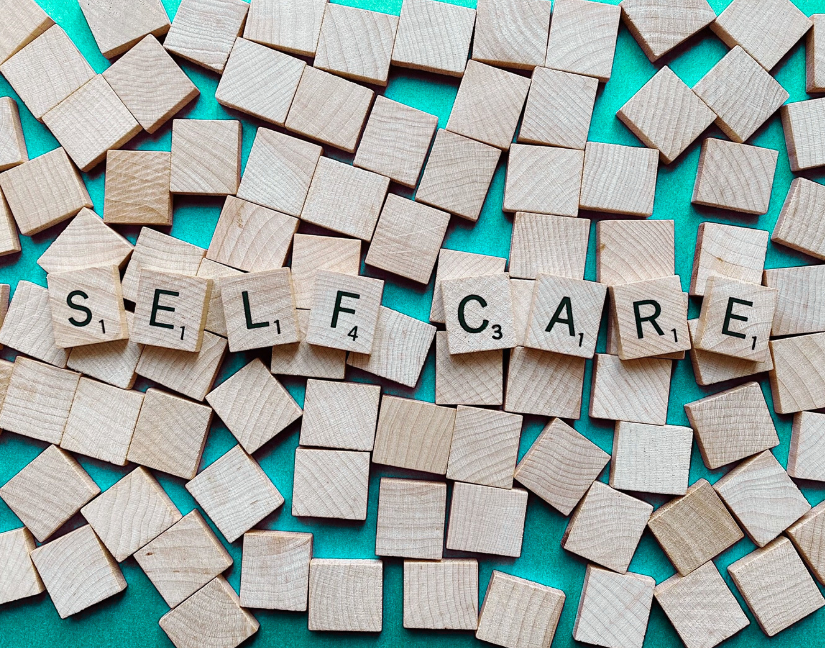
In a world where busy often feels like the default, self-care can sometimes be misunderstood as a luxury – something we get to if we have the time. In reality, self-care is much simpler, more accessible, and far more essential than that.
At its core, self-care is about consistently doing small things that support your physical, mental and emotional wellbeing. It’s not about grand gestures or expensive routines – it’s about daily choices that help you feel more balanced, more energised and more in control.
Why self-care matters
When we look after ourselves, everything else benefits too. Without it, it’s easy to become run down, overwhelmed or disconnected – not just from work, but from the things that matter most.
Regular self-care can support:
Better energy and focus – helping you stay productive without burnout
Improved mood and resilience – making it easier to navigate challenges
Stronger relationships – when we feel better, we connect better
Physical health – through better sleep, movement and recovery
Perhaps most importantly, self-care helps us move from reacting to life – to responding to it more intentionally.
A shift in thinking
One of the biggest barriers to self-care is the idea that it takes time, money or a complete lifestyle overhaul. In reality, the most effective self-care is often:
Simple – small actions, done regularly
Flexible – fitting around your day, not disrupting it
Low-cost or free – using what’s already available to you
It’s less about adding more to your to-do list, and more about doing things slightly differently.
Self-care in everyday life
Self-care doesn’t have to look like spa days or long breaks away (although those can be nice when they happen). It can be built into the moments you already have:
At home
- Taking 10 minutes to step outside for fresh air
- Putting your phone down for a screen-free evening reset
- Creating a simple wind-down routine before bed
At work
- Taking your full lunch break away from your desk
- Pausing between meetings to reset and refocus
- Setting boundaries around start and finish times
On the go
- Listening to something that lifts your mood
- Practising a few minutes of deep breathing
- Noticing one positive moment in your day
These small actions may feel minor – but over time, they create a strong foundation for wellbeing.
The ripple effect
One of the most powerful things about self-care is how quickly the benefits build.
A slightly better night’s sleep can lead to:
- More energy the next day
- Better decision-making
- Improved mood and patience
Taking a proper break can lead to:
- Increased productivity
- Better focus
- Reduced stress levels
Self-care isn’t about perfection – it’s about momentum. Small, consistent actions can shift how we feel far more than occasional big efforts.
A simple self-care check-in
If you’re not sure where to start, try asking yourself:
⬜ Have I taken a proper break today?
⬜ Have I moved or stretched my body?
⬜ Have I had a moment to pause?
⬜ Have I connected with someone?
⬜ Have I done one thing just for me?
You don’t need to tick every box – just taking notice is a powerful first step.
Self-care isn’t about stepping away from your responsibilities – it’s about supporting yourself so you can show up at your best.
By making small, intentional changes you can build a version of self-care that feels natural, sustainable and completely your own.
More from our blog
Menopause and work
The menopause is a natural biological process. It occurs when your ovaries age and naturally produce lower levels of reproductive hormones. The menopause may have a significant impact on home life and work performance. This can be unsettling, particularly if a particular role carries lots of responsibility. The hormonal changes…
Understanding Stepped Care and its role in workplace wellbeing
The stepped care model is a fundamental part of Inspire's workplace offering. So, what is it and why is it so important?
World Suicide Prevention Day
World Suicide Prevention Day encourages people around the globe to raise awareness, reduce stigma and promote actions that can save lives. Suicide remains a significant public health challenge across the UK and Ireland. According to the latest available data, 5,717 suicides were registered in England in 2024, while Northern Ireland…
National Wellness & Happiness Happens Month
July invited us to pause. Through Alcohol Awareness Week and a focus on self-care, many of us took the opportunity to reflect, reset and make small changes – whether that meant becoming more aware of our habits, building in better routines, or simply taking a bit more time to look…

Alcohol and Me
Alcohol Awareness Week (6-12 July), returns this month with a simple but powerful focus: ‘Alcohol and me.’ Rather than telling us what we should or shouldn’t be doing, this year’s campaign is asking everyone to pause and reflect on their own relationship with alcohol, and how it fits into their…
PTSD Awareness Day
Trauma isn’t always dramatic or visible. In reality, it can come from things many of us experience at some point in life - not just rare or extreme events. It could be a car accident, losing someone suddenly, going through a serious illness, experiencing ongoing stress, or difficult experiences growing…

Men’s Mental Health Week
Every June, Men’s Health Week (15th to 21st) highlights a simple but powerful message: men’s health needs more attention - physically and mentally. While progress has been made, the reality across Ireland, the UK, and globally, is that men still experience poorer health outcomes and are less likely to seek…
World Day for Cultural Diversity
World Day for Cultural Diversity on 21 May celebrates the different cultures, identities, experiences and perspectives that shape who we are – and how diversity enriches our workplaces, communities and conversations.
Mental Health Awareness Week
Mental Health Awareness Week (MHAW) takes place from 11-17 May and creates space for honest reflection, learning, and connection, helping to reduce stigma and remind us that support is always available.

Workplace Wellbeing – “Build Belonging”
Two important dates occur in April in relation to promoting and prioritising wellbeing in the workplace, namely World Day for Health & Safety at Work on 28 April, closely followed by Ibec’s National Workplace Wellbeing Day.

Stress Awareness Month
Stress is a normal part of life – but when pressure becomes persistent, overwhelming, or begins to impact your wellbeing, it’s important to recognise the signs early and reach out for support.

NI Only – Room Hire Claim 1st April 2026
From 1st April 2026, you will no longer be required to fill out the excel room hire template. Instead, if you are claiming for room hire you must fill out a room hire claim form on the appointment within Penelope.